About

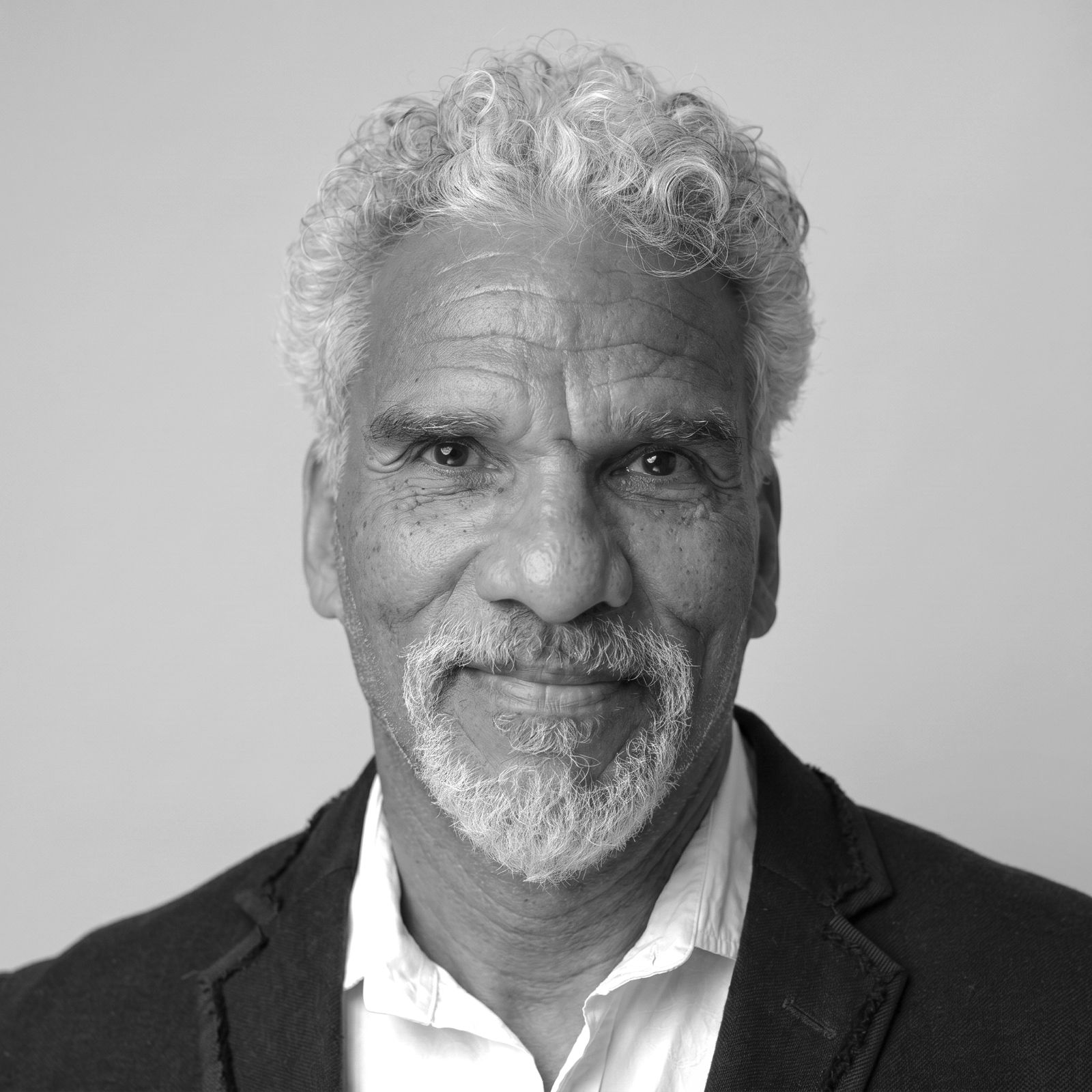
Chuka Boris Jenkins, MD, FACOG

Board-certified in Obstetrics & Gynecology and in Maternal-Fetal Medicine. More than two decades caring for high-risk pregnancies — all of it high-stakes, because obstetrics always is.

Preeclampsia, growth restriction, preterm birth, gestational diabetes, placental dysfunction — the pregnancies where the standard playbook stops being useful and judgment takes over.

Dr. Chuka Jenkins, MD, FACOG

The short version

Director of Maternal-Fetal Medicine at MedStar Harbor Hospital, Baltimore, from 2001 to 2026. More than thirty peer-reviewed publications and presentations in the field's leading journals. Founder of Inheren Medical Strategies, a telehealth-only consultative practice.

The longer version

I trained at the University of Maryland School of Medicine and completed my Maternal-Fetal Medicine fellowship at Georgetown. My early academic work focused on first-trimester screening for preeclampsia, fetal growth restriction, and preterm birth — including first-trimester risk factors for preeclampsia in women initiating aspirin, and first-trimester angiogenic and placental markers with the Baschat group. That is the same framework the Fetal Medicine Foundation and MFM units around the world now use.

Years of clinical practice, hundreds of high-risk pregnancies, and a lot of patients who deserved better explanations than the system had time to give them. Inheren is the practice I built to give those explanations. It is not a hospital, not a clinic, and not a wellness brand. It is a structured, disciplined, telehealth-delivered consultation service for women whose pregnancies revealed something — and who deserve to understand what.

Preeclampsia is a pregnancy problem — but not only a pregnancy problem. It is the first page of a much longer story.

The conviction that drives the practice

In 2020 the American Heart Association formally listed adverse pregnancy outcomes — preeclampsia, gestational hypertension, growth restriction, gestational diabetes, preterm birth — as risk-enhancing factors for cardiovascular disease. I had been teaching that idea in Grand Rounds since 2014, years before that guideline appeared. The biology was always there. The clinical infrastructure to act on it was not. Inheren is that infrastructure: one physician with more than two decades of pattern recognition, a telehealth platform that lets the consultation happen wherever you are, a targeted lab strategy, and a written plan you keep.

What I am, and what I am not

I am a clinician. I will tell you what the evidence says and what it does not say. I will not tell you that gluten elimination reverses Hashimoto's. I will not put every patient on aspirin and progesterone and call it a recurrent-loss program. I will not order forty-seven biomarkers and let you sort it out. The discipline of saying "this we know, this we don't, this is plausible but not proven" is the practice.

I am not your OB and not your cardiologist. I do not replace them; I work alongside them. Most of my patients leave with a written summary they can hand directly to their primary care physician or their next obstetrician — that handoff is part of the work.

Where I practice

Telehealth, exclusively. Maryland medical license (D0047289), and qualified through the Interstate Medical Licensure Compact (IMLC) — an expedited pathway to licensure in member states. Self-pay only; FSA/HSA eligible.

Beyond the practice

Maternal-fetal medicine is one part of the work. The other has been building care for people the standard system tends to miss — in a clinic in South Baltimore, and in the field.

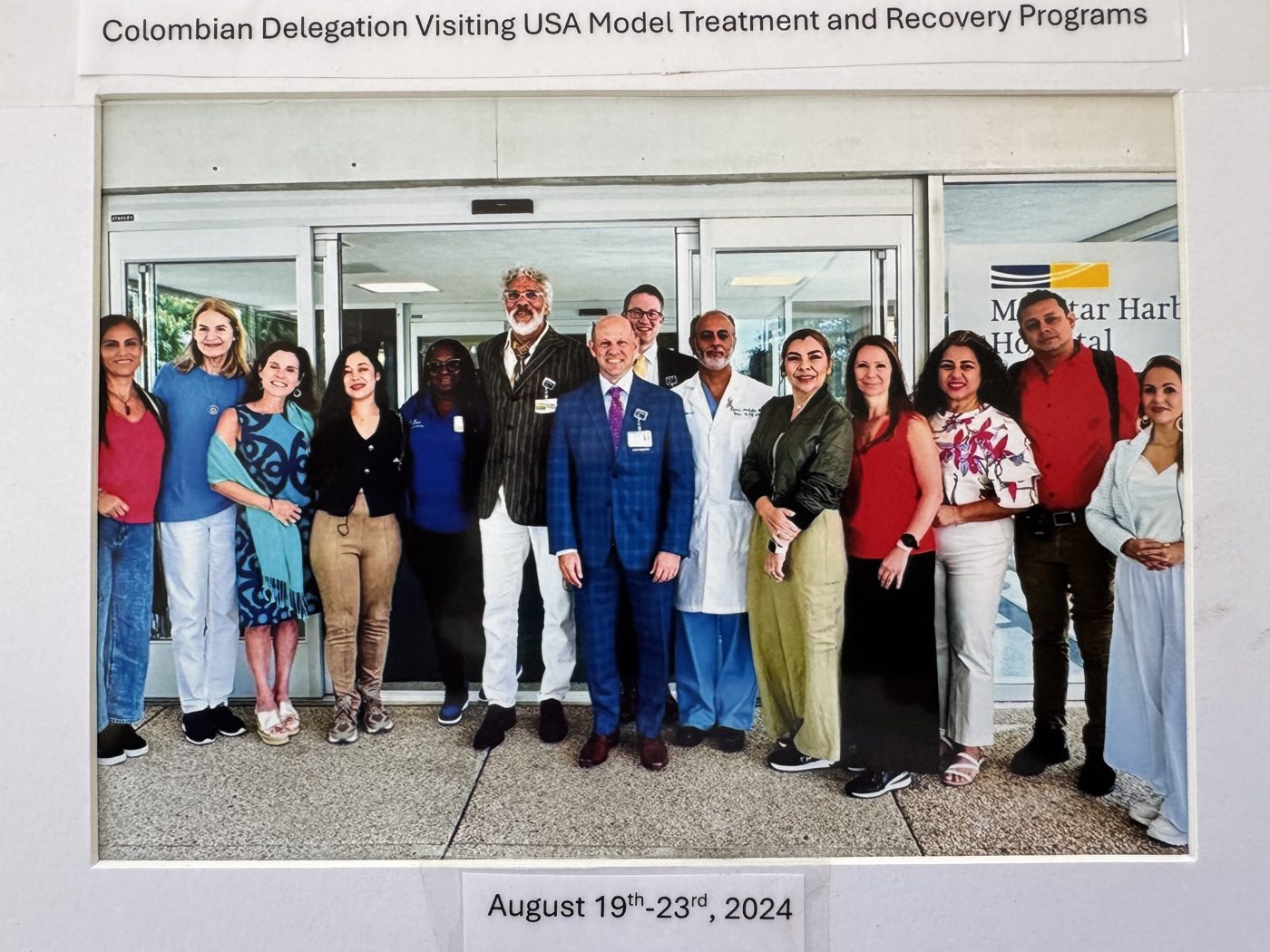
Dr. Jenkins hosting the State Department-sponsored Colombian delegation, 2024

A model built from scratch

BRIGHT — Building Resilience, Inspiring Growth, Healing Together

From 2011 to 2026 I built and ran BRIGHT, a primary-care-integrated model of buprenorphine treatment for women — pairing medication with modified contingency management and a structured therapeutic alliance, delivered inside women's primary care rather than in a siloed clinic. It served roughly 200 women and operated without external grant funding.

In August 2024, at Hendrée Jones's invitation, BRIGHT hosted a State Department–sponsored Colombian delegation touring U.S. model treatment and recovery programs.

International deployments

High-acuity medicine where the infrastructure is thin.

Past service in disaster and global-health settings — the work that shaped how I think about building care that reaches people the standard system misses.

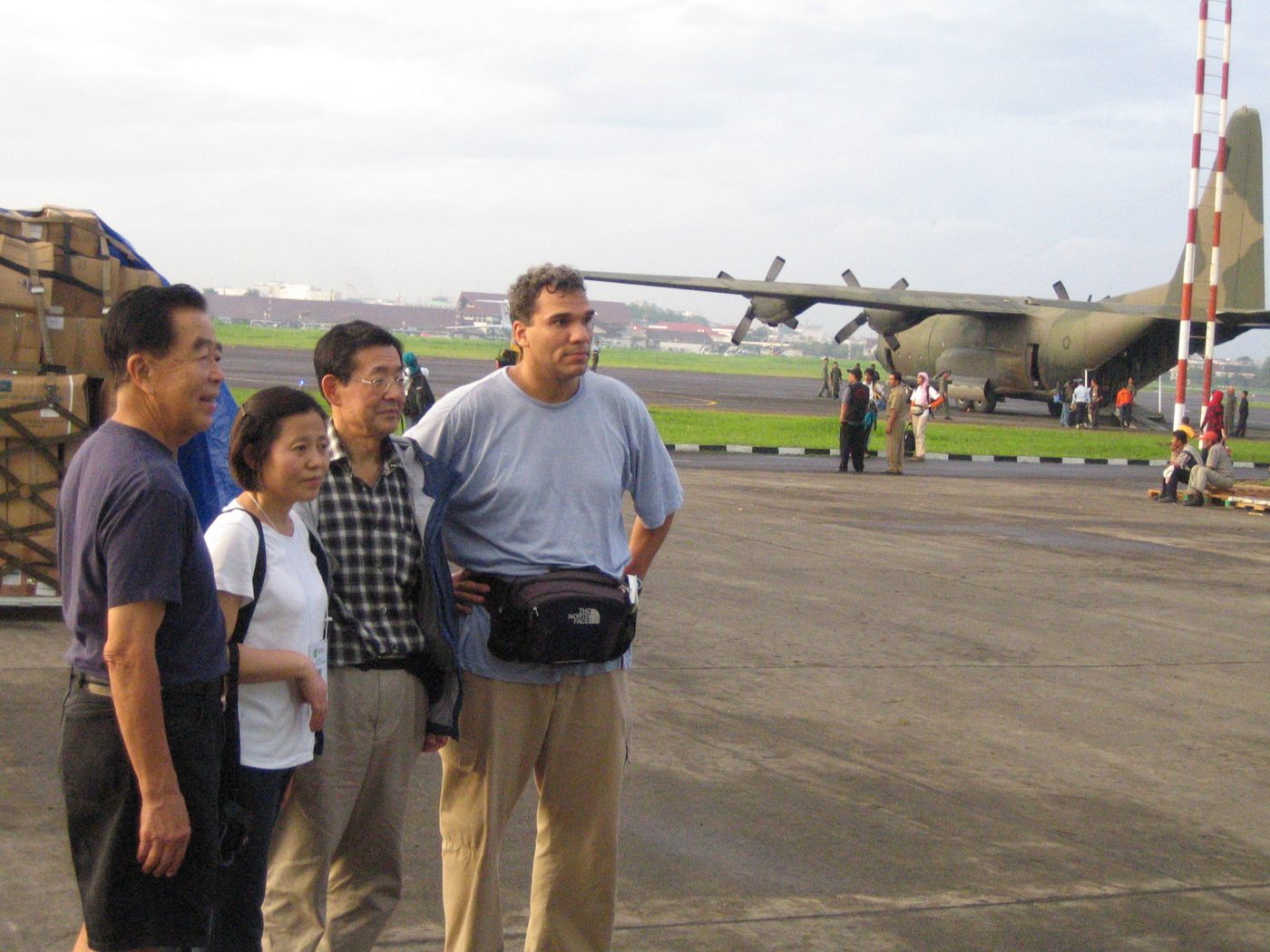
Banda Aceh, Indonesia deployment, 2005

Banda Aceh, Indonesia · 2005

Post-tsunami relief

Acute-phase disaster medicine with Food for the Hungry in the weeks after the Indian Ocean tsunami.

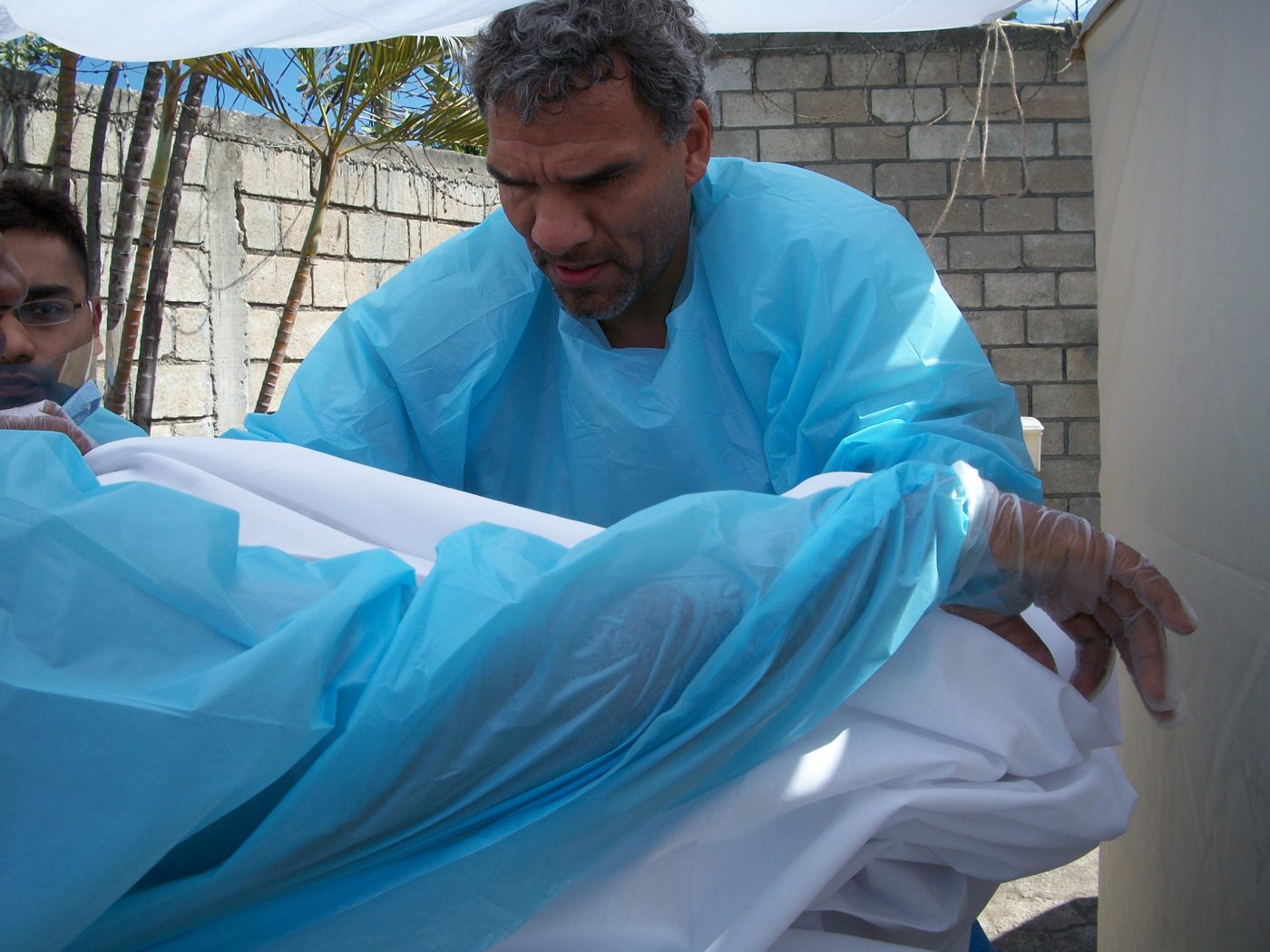
Port-au-Prince, Haiti deployment, 2010

Port-au-Prince, Haiti · 2010

Post-earthquake care

Obstetric and surgical support with Aimer Haïti following the January 2010 earthquake.

Managua, Nicaragua deployment, 2011

Managua, Nicaragua · 2011

La Chureca community care

Care in the La Chureca community with Grace City Church and ORPHANetwork.

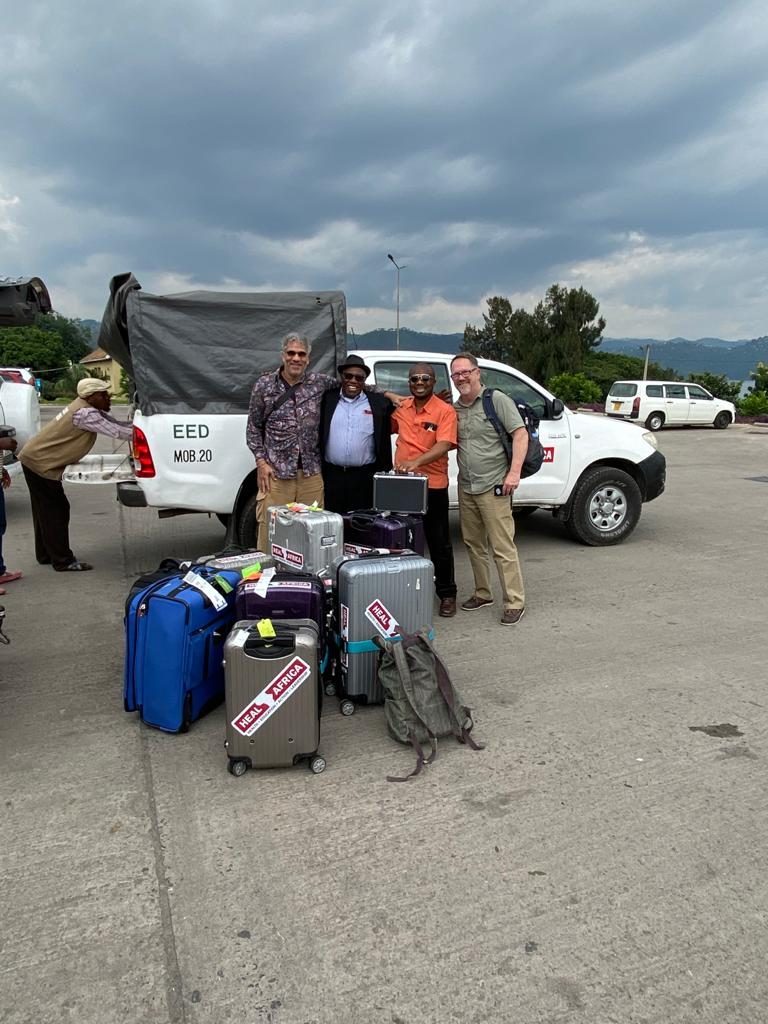
Goma, DR Congo deployment, 2020

Goma, DR Congo · 2020

HEAL Africa

Obstetric teaching and supply delivery with HEAL Africa, during the tenth DRC Ebola outbreak.

Ready to read the rest of your story?

Twenty minutes to see whether what your pregnancy revealed is worth acting on.